Imagine waking up to a soaked carpet or discovering dark patches creeping across your walls. These are just a few signs that water damage and mold remediation may be urgently needed in your property.
With claims and health risks on the rise, understanding how to tackle these problems is crucial. Real-life scenarios show how costly mistakes can be when water damage and mold remediation are ignored or delayed.
This essential guide for 2026 gives homeowners and property managers expert-backed strategies to protect property value and occupant health. Follow the steps outlined here to prevent long-term damage and avoid expensive repairs.
Understanding Water Damage: Causes and Warning Signs
Water damage and mold remediation are critical concerns for every property owner. Recognizing the signs of water intrusion early can be the difference between a simple fix and a costly disaster. In this section, we break down the main causes, early indicators, and risks associated with untreated water damage.
Common Causes of Water Damage
Understanding what leads to water damage and mold remediation starts with identifying common sources. The most frequent culprits include burst pipes, leaking appliances, and roof failures. Heavy rains and flooding from natural disasters also contribute significantly.
Hidden sources are just as dangerous. Condensation from poor ventilation, clogged gutters, and malfunctioning HVAC units can cause slow, unnoticed leaks. Poor drainage around a property’s foundation often results in gradual water seepage, which is easy to overlook.
Every day, over 14,000 people in the US face a water damage emergency at home or work. These statistics highlight the importance of early detection and prevention.
Early Warning Signs to Watch For
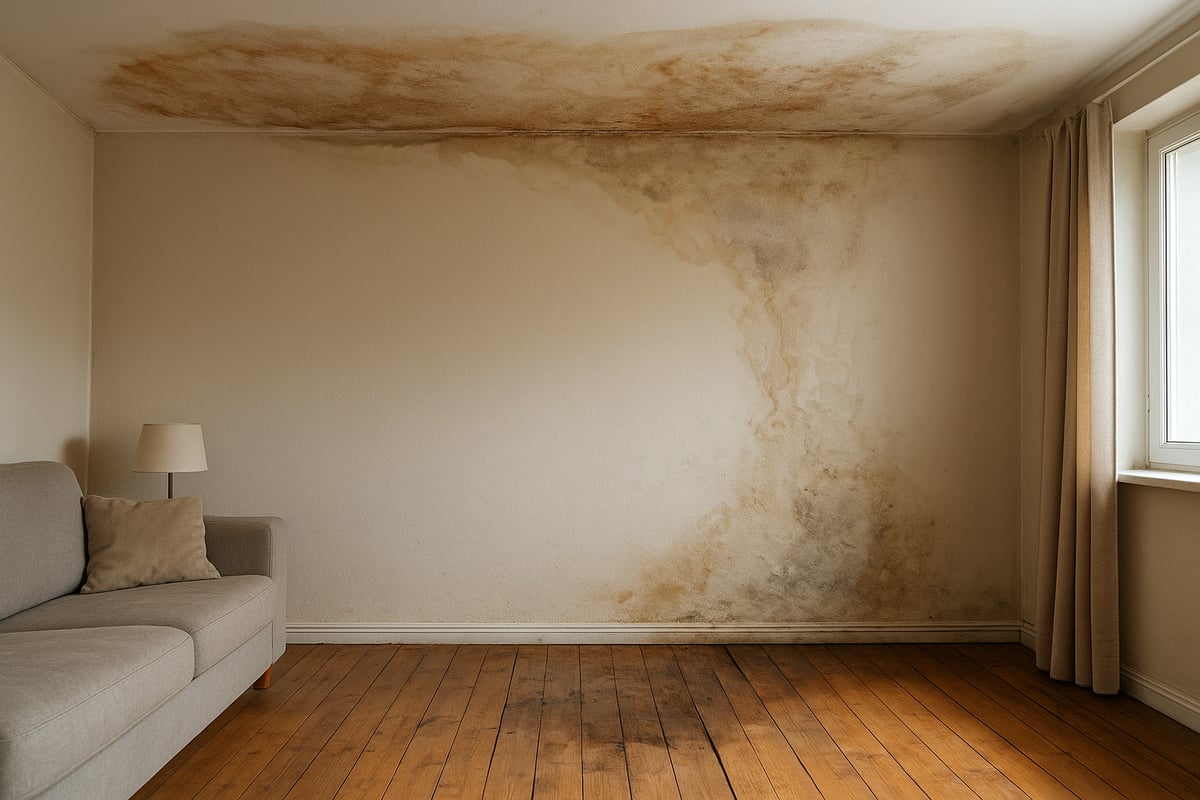
Spotting trouble early can prevent the need for extensive water damage and mold remediation. Visual cues such as water stains, warped floors, and bubbling paint are red flags. Sagging ceilings and discolored patches on walls may signal hidden moisture.
Unusual odors, especially musty smells, often indicate moisture trapped behind surfaces. A sudden spike in your water bill or increased indoor humidity can also be warning signs. Monitoring these indicators helps you act before minor issues escalate.
The Hidden Dangers of Untreated Water Damage
Ignoring water damage can have serious consequences. Structural elements like beams, drywall, and flooring may weaken over time. This compromises safety and property value.
Electrical hazards are another risk, as water can reach wiring and outlets. In some cases, this creates a potential fire hazard. Mold growth is also a major concern, as it can develop within 24 to 48 hours after water intrusion, making water damage and mold remediation urgent.
Case Example: Small Leak, Big Consequences
Consider a real-life scenario: a minor washing machine leak went unnoticed for several days. By the time repairs began, the homeowner faced $12,000 in damages. The delay allowed water to spread, damaging flooring, walls, and personal belongings.
This example underscores the importance of immediate action and professional assessment. Quick response can limit the scope of water damage and mold remediation, protecting your investment.
Statistics and Insights
The average insurance claim for water damage now exceeds $10,000. In fact, 98% of US basements will experience water damage at some point. According to water damage statistics and information, the financial and health impacts continue to rise.
Prompt intervention and ongoing vigilance are essential. Addressing problems early reduces the need for extensive water damage and mold remediation, saving time, money, and stress.
Health Risks and Property Impact of Mold Growth
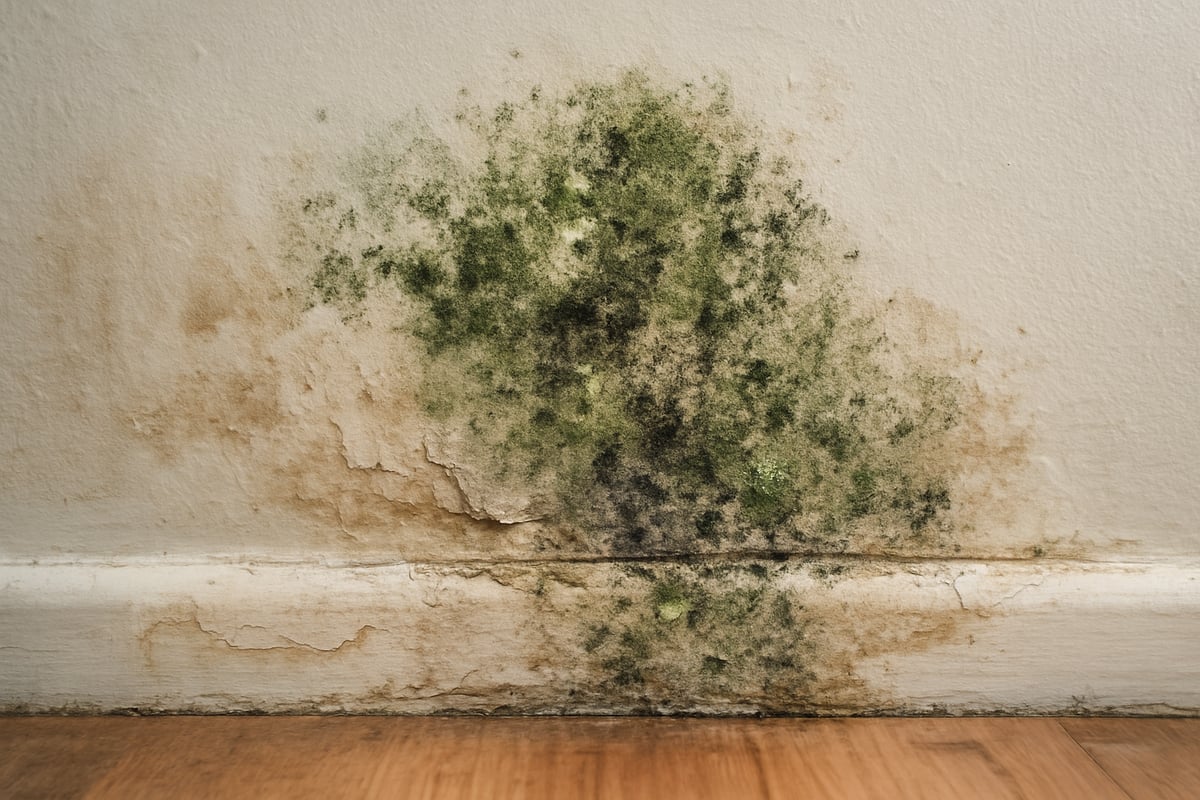
Mold is a frequent consequence when water damage is not addressed quickly. Once moisture is present, spores that are always in the air begin to multiply rapidly. Within 24 to 72 hours, visible mold can develop on walls, ceilings, and hidden areas. The most common types found after water damage include black mold (Stachybotrys), Aspergillus, and Penicillium. Each type thrives in damp, organic materials, making any untreated area a prime target for infestation.
How Mold Develops After Water Damage
Mold only needs moisture, organic material, and mild temperatures to flourish. After water intrusion, spores settle and grow quickly on drywall, wood, insulation, and carpet. Black mold, known for its dark appearance, prefers cellulose-rich materials, while Aspergillus and Penicillium often appear in damp corners or HVAC ducts.
Mold growth after water damage is not always visible right away. It can hide behind baseboards, under flooring, or within ceilings. This makes professional inspection and prompt water damage and mold remediation essential to stop the problem before it spreads.
Health Risks Associated with Mold Exposure
Exposure to mold can trigger a range of health issues. For many, symptoms include coughing, sneezing, nasal congestion, and throat irritation. People with asthma, allergies, young children, elderly, and those with weakened immune systems are at the highest risk for severe complications.
Long-term or repeated exposure may lead to chronic sinus infections, persistent headaches, or even neurological symptoms. According to Mold remediation guidelines by EPA, safe removal and proper containment are crucial during water damage and mold remediation to protect both occupants and workers from airborne spores.
Property Damage Caused by Mold
The impact of mold on property goes beyond surface stains. Mold can cause permanent discoloration on walls, ceilings, and floors. Over time, it breaks down building materials, leading to weakened drywall, rotting wood, and ruined insulation.
If mold reaches the HVAC system, spores can circulate throughout the entire property, making cleanup more challenging. Delayed water damage and mold remediation will only increase restoration costs, as damage spreads and more materials become unsalvageable.
Legal and Insurance Considerations
Property owners are often responsible for ensuring living spaces are free from mold hazards. Landlord-tenant conflicts can arise if remediation is not handled promptly. Most insurance policies cover sudden water damage but may exclude gradual leaks or mold unless specific endorsements are in place.
To support claims, keep detailed photos and written records of any water damage and mold remediation. Mold-related health claims have surged by 30 percent in the last decade, and studies report that 60 percent of homes have some level of detectable mold. Staying proactive with documentation and timely action is key to avoiding costly disputes and safeguarding property value.
Step-by-Step Guide to Water Damage Restoration
When facing water damage and mold remediation, a clear and methodical approach is essential. Acting quickly not only minimizes structural harm but also helps prevent mold from spreading. Below, you'll find a comprehensive step-by-step process to restore your property efficiently and safely.
Step 1: Emergency Response and Safety Assessment
The first step in water damage and mold remediation is ensuring safety. Turn off the electricity at the main breaker if water has reached electrical outlets or appliances. Stop the water source immediately, whether it's a burst pipe or leaking appliance.
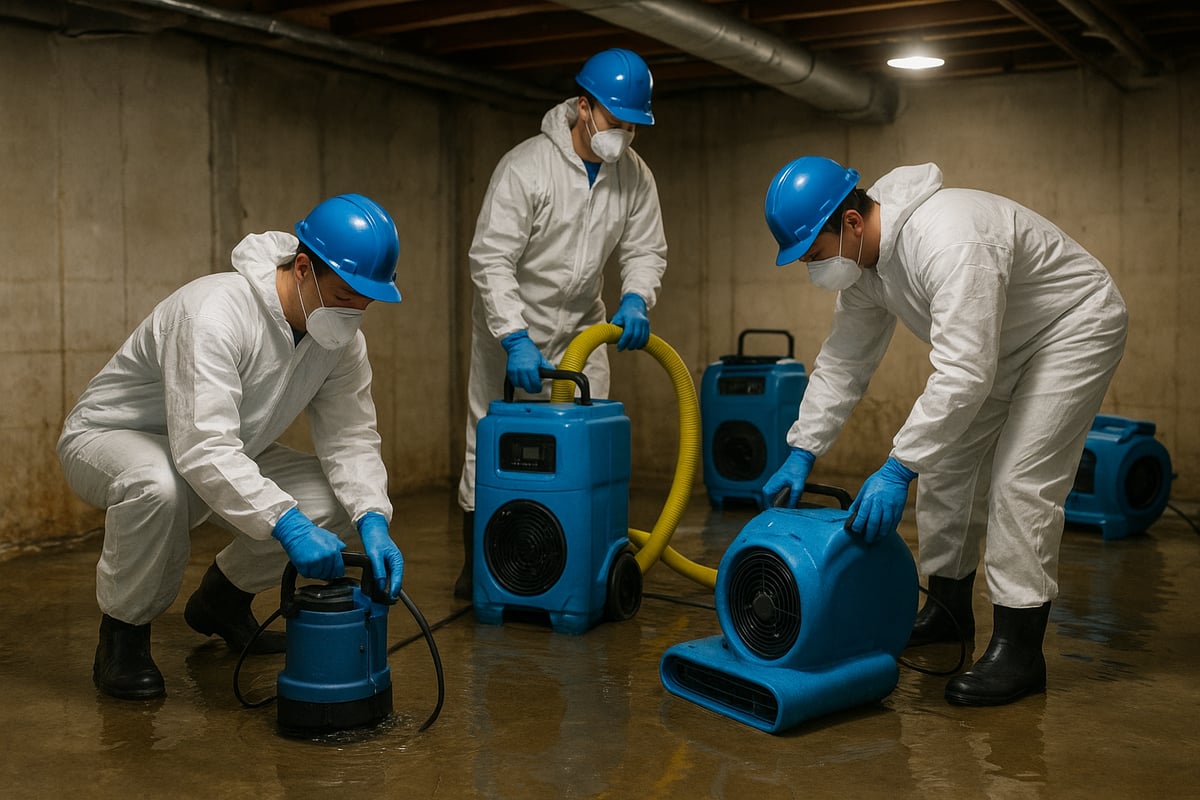
Evacuate the area if there are structural concerns or standing water near electrical wiring. Always use personal protective equipment, including gloves, masks, and waterproof boots, during your initial inspection. Quick action in this stage helps reduce both property and health risks.
Step 2: Water Extraction and Removal
Once the area is secure, focus on water extraction. Use industrial pumps, wet vacuums, or absorbent materials to remove standing water. Prioritize high-risk zones like basements and crawl spaces, as these areas are likely to suffer the most damage.
For large-scale events, truck-mounted vacuums provide rapid removal. For a detailed walkthrough of this stage, refer to Steps to Clean Up Water Damage, which outlines proven techniques for efficient extraction. Prompt removal is vital to controlling water damage and mold remediation costs.
Step 3: Drying and Dehumidification
Proper drying is crucial in the water damage and mold remediation process. Position air movers and dehumidifiers throughout the affected area to speed up moisture removal. Use moisture meters to monitor progress and aim for a relative humidity below 50 percent.
Depending on the severity, drying can take three to five days. Pay close attention to hidden spaces like wall cavities and subfloors. Thorough drying at this stage helps prevent mold from taking hold after water damage.
Step 4: Cleaning and Sanitizing
After drying, remove debris and damaged materials, such as soaked drywall or carpeting. Apply antimicrobial solutions to all affected surfaces to prevent future mold growth. Give special attention to HVAC systems and ductwork, as these can harbor spores and spread contamination.
Disinfecting thoroughly is a vital part of water damage and mold remediation, safeguarding both property and health. Dispose of unsalvageable items according to local regulations.
Step 5: Structural Repairs and Restoration
Once cleaning is complete, begin structural repairs. Replace drywall, insulation, and flooring that cannot be salvaged. Inspect subfloors and wall cavities for hidden moisture or structural weakness.
Ensure all repairs meet current building codes and safety standards. This step in water damage and mold remediation restores the integrity and value of your property, preparing it for safe occupancy again.
Professional vs. DIY Restoration: When to Call Experts
It can be tempting to handle water damage and mold remediation on your own, but certain situations require professional expertise. Extensive damage, contaminated water, or visible mold are clear signs to call certified restoration specialists.
Professionals offer advanced equipment, guarantees, and ensure compliance with safety standards. Weigh the risks and benefits, as improper remediation can lead to recurring issues and higher long-term costs.
Example Timeline and Cost Breakdown
A typical water damage and mold remediation project takes seven to ten days from assessment to completion. The process begins with emergency response and extraction, followed by drying, cleaning, and repairs.
Costs vary by stage, with extraction and drying making up the largest share. On average, homeowners spend between 2,000 and 10,000 dollars, depending on the extent of damage and required repairs. Keeping detailed records throughout helps with insurance claims and future maintenance.
Mold Remediation: Best Practices for 2026
Mold remediation is a critical component of property care after water damage. In 2026, industry best practices have advanced to ensure safer, more effective outcomes for homes and businesses. This section outlines the essential steps and innovations in water damage and mold remediation, providing actionable guidance for restoring healthy indoor environments.
Inspection and Mold Assessment
A thorough inspection is the foundation of successful water damage and mold remediation. Professionals begin with a detailed visual assessment, looking for visible mold, moisture stains, and water intrusion points. Air sampling and moisture mapping tools are used to identify hidden mold colonies.
Infrared cameras help detect moisture behind walls, under floors, and in ceilings, ensuring no contaminated area is overlooked. Assessing the type and extent of mold is essential for creating an effective remediation plan. Accurate identification also guides the choice of protective measures and cleaning agents, supporting long-term property health.
Containment and Air Filtration
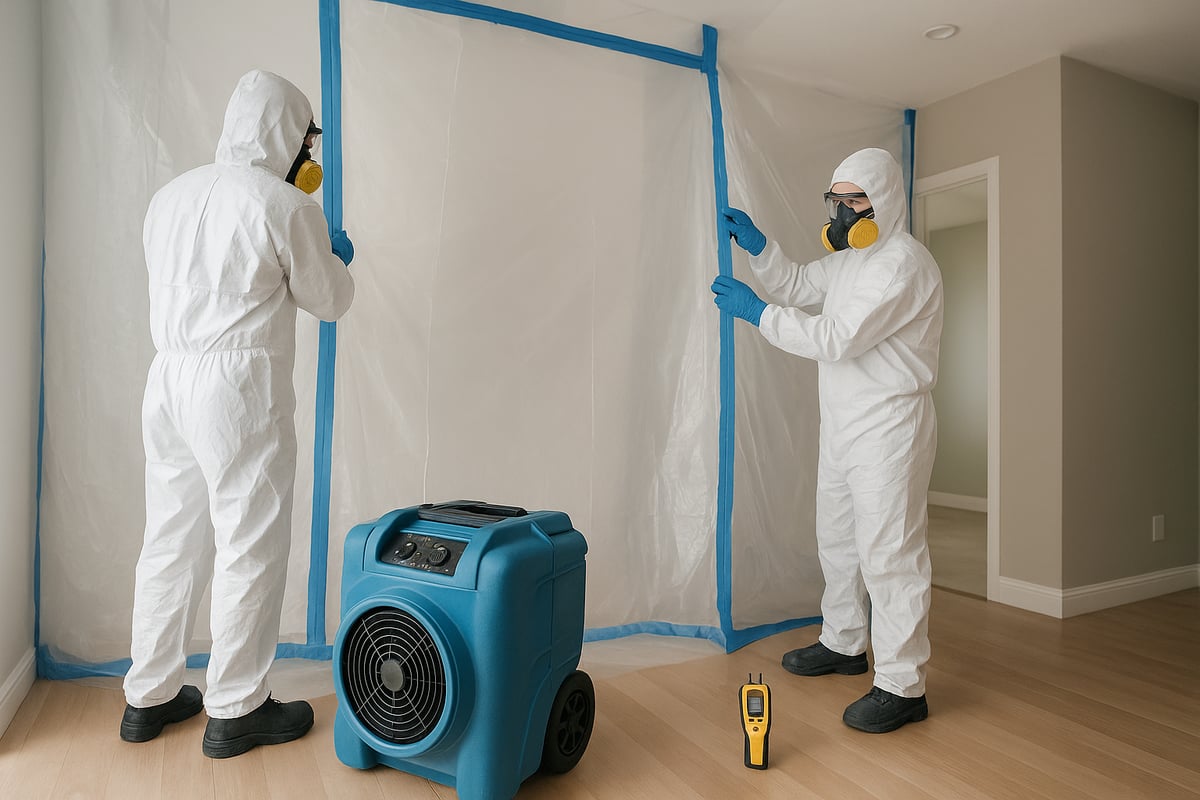
Containment is vital in water damage and mold remediation to prevent the spread of spores to unaffected areas. Technicians seal off contaminated spaces with heavy-duty plastic sheeting and create negative air pressure environments.
HEPA air scrubbers are deployed to capture airborne mold spores and particles. These air filtration systems run continuously during the process, improving indoor air safety. Proper containment protocols reduce the risk of cross-contamination, protecting both the building and its occupants throughout remediation.
Mold Removal and Cleaning Techniques
Safe mold removal is a precise process within water damage and mold remediation. Porous materials like drywall, insulation, and carpeting are carefully removed and disposed of when contaminated.
Salvageable surfaces are cleaned with EPA-registered biocides and specialized equipment. HVAC systems and ductwork require special attention to prevent recontamination. For a comprehensive guide on safe removal methods, review the Steps to Mold Removal for detailed procedures and safety tips.
Disposing of Contaminated Materials
Disposal of contaminated materials is a regulated part of water damage and mold remediation. All moldy debris is sealed in heavy-duty bags before being removed from the property, following local waste management rules.
Detailed documentation, with photos and written records, supports insurance claims and compliance. For example, carpet and padding must be double-bagged and labeled before transport. This attention to detail ensures both legal and health standards are met during disposal.
Restoration and Prevention
Restoration involves repairing all damage discovered during water damage and mold remediation. Leaks are fixed, ventilation is improved, and dehumidifiers are installed to maintain optimal humidity levels.
A post-remediation clearance test is performed to verify the environment is safe for re-occupancy. Educating occupants on moisture control, regular inspections, and early detection helps prevent future issues. Ongoing maintenance is key to preserving property value and health.
Innovations and Trends in Mold Remediation (2026)
In 2026, water damage and mold remediation has embraced new technologies and eco-friendly solutions. Modern antimicrobial treatments are now less toxic and more effective at preventing regrowth.
IoT sensors continuously monitor moisture levels and send real-time alerts to property managers. AI-powered assessment tools streamline inspections, ensuring no area is missed. These innovations enhance speed, accuracy, and sustainability in the remediation process.
When to Hire a Professional Remediation Company
Complex situations in water damage and mold remediation require certified professionals. Large-scale infestations, toxic mold, or health risks demand expert intervention.
Professionals offer guarantees, legal compliance, and peace of mind for property owners. They understand local regulations and use advanced tools to ensure thorough results. Hiring a reputable company is the best choice when safety, health, or regulatory standards are at stake.
Preventing Future Water Damage and Mold Problems
Proactive steps are essential for minimizing the risk of water damage and mold remediation in any property. By adopting a comprehensive approach, homeowners and property managers can reduce exposure to costly repairs and health hazards.
Routine Maintenance and Inspection Tips
Consistent inspections are the cornerstone of effective water damage and mold remediation prevention. Check plumbing for leaks, inspect roofs for missing shingles, and clean gutters regularly to prevent blockages.
Pay special attention to high-risk areas such as basements, crawl spaces, and bathrooms. Use a moisture meter to detect hidden dampness. Scheduling annual HVAC servicing also prevents condensation issues that can fuel mold growth.
Upgrades and Home Improvements
Modernizing your property can significantly reduce the risk of water damage and mold remediation. Install sump pumps and backflow valves to protect against flooding.
Consider waterproofing basements and crawl spaces, and use dehumidifiers in areas prone to high humidity. Smart home devices, such as leak sensors and automatic shutoff valves, provide real-time alerts and immediate action to stop leaks before they escalate.
Immediate Response Protocols for Leaks and Spills
Acting swiftly in the event of a leak is crucial for water damage and mold remediation. Shut off the main water supply, unplug electrical devices in the affected area, and use towels or wet vacuums to remove standing water.
Create an emergency action plan with contact information for local restoration experts. Document damages and begin drying the area within the first 24 hours to prevent mold colonization.
Insurance and Documentation Best Practices
Proper documentation is vital when dealing with water damage and mold remediation. Maintain records of repairs, inspections, and upgrades to streamline insurance claims.
Understand your policy's coverage and keep photographic evidence of pre-existing conditions. For detailed strategies on preventing mold growth after water exposure, refer to Mold Prevention Tips to ensure your property remains protected.
Education and Awareness
Educating occupants about the signs of water damage and mold remediation can lead to early detection and intervention. Train family members or tenants to recognize musty odors, stains, or unexplained spikes in water bills.
Engage with community resources, such as online guides or local workshops, to stay informed about best practices. Properties equipped with leak detection systems are 40 percent less likely to experience major water damage claims, while proper mold prevention can reduce remediation expenses by up to 70 percent.
Navigating Insurance Claims and Legal Responsibilities
Navigating insurance claims for water damage and mold remediation can be complex. Understanding your coverage, documenting every step, and knowing your legal responsibilities are essential for a successful outcome.
Understanding Insurance Coverage for Water and Mold Damage
Insurance policies vary significantly when it comes to water damage and mold remediation. Most standard homeowners policies cover sudden and accidental incidents, such as burst pipes, but often exclude gradual leaks or flood-related events. Reviewing your policy's exclusions, endorsements, and limits is crucial.
The following table summarizes typical coverage scenarios:
| Incident Type | Usually Covered | Often Excluded |
|---|---|---|
| Burst Pipe | Yes | |
| Flood | Yes (needs rider) | |
| Gradual Leak | Yes | |
| Mold from Covered Loss | Sometimes | Sometimes |
For more details on what your policy might cover, refer to Is My Water Damage Covered?. Understanding these distinctions helps you prepare before a crisis occurs.
Steps to File a Successful Claim
To maximize your chances of a successful insurance claim for water damage and mold remediation, act quickly. Notify your insurer immediately and document the damage with clear photos and written records. Keep receipts for repairs and restoration work.
- Report the incident as soon as possible.
- Take photos and videos of all affected areas.
- Save repair invoices and communication logs.
Work closely with your insurance adjuster and restoration professionals. Timely, thorough documentation is key to a smooth claims process.
Legal Obligations for Property Owners and Landlords
Property owners and landlords must comply with habitability standards when dealing with water damage and mold remediation. Prompt repairs are necessary to ensure the property remains safe for occupants. In many areas, laws require landlords to provide alternative accommodations during extensive repairs.
Key legal responsibilities include:
- Addressing hazards quickly
- Notifying tenants of remediation timelines
- Maintaining repair documentation
Failure to act promptly can lead to legal disputes or penalties.
Disputes and Resolution Strategies
Disputes often arise over claim denials, delayed repairs, or disagreements about the extent of water damage and mold remediation needed. When conflicts occur, mediation or small claims court can help resolve issues. Professional assessments and third-party documentation strengthen your position.
Maintain open communication with your insurer and tenants, and seek legal counsel if necessary to protect your interests.
Proactive Risk Management
Proactive risk management is essential for minimizing future water damage and mold remediation costs. Regularly review and update your insurance policy, and ensure compliance with local, state, and federal regulations. In Pittsburgh, for example, specific codes govern disclosure and remediation standards.
Organize maintenance records, educate occupants about early warning signs, and stay informed about changing laws. These steps help safeguard your property and streamline any future claims.
Now that you know what to look for and how to act quickly when water damage or mold threatens your property, taking the next step is all about protecting your investment and your health. Whether you’ve spotted early warning signs or just want peace of mind, getting a professional opinion can make all the difference. The team at Independent Restoration Services of Pittsburgh is ready to guide you through every stage, from assessment to restoration, with expertise you can trust. If you’re unsure where to begin, you can Get A Free Damage Assessment and start safeguarding your home or business today.
Article written using RankPill.