Across the United States, mold infestations are surging in 2026, putting homes and businesses at risk for costly repairs and health problems. Property owners need clear, updated guidance to protect their investments. This essential guide delivers the latest insights and actionable steps for mold damage remediation, equipping you with proven strategies to address and prevent outbreaks. Discover what mold is, why it is dangerous, the newest remediation techniques, step-by-step removal, prevention tips, and how to choose the right professionals. Arm yourself with expert knowledge to safeguard your property and health this year.
Understanding Mold: Risks, Causes, and Identification
Mold is more than an unsightly nuisance; it's a persistent threat to both property and health. For anyone considering mold damage remediation, understanding the basics is the first step toward effective action and prevention. Let's break down what mold is, why it's dangerous, how it starts, how to spot it, and where it's most likely to appear.
What is Mold?
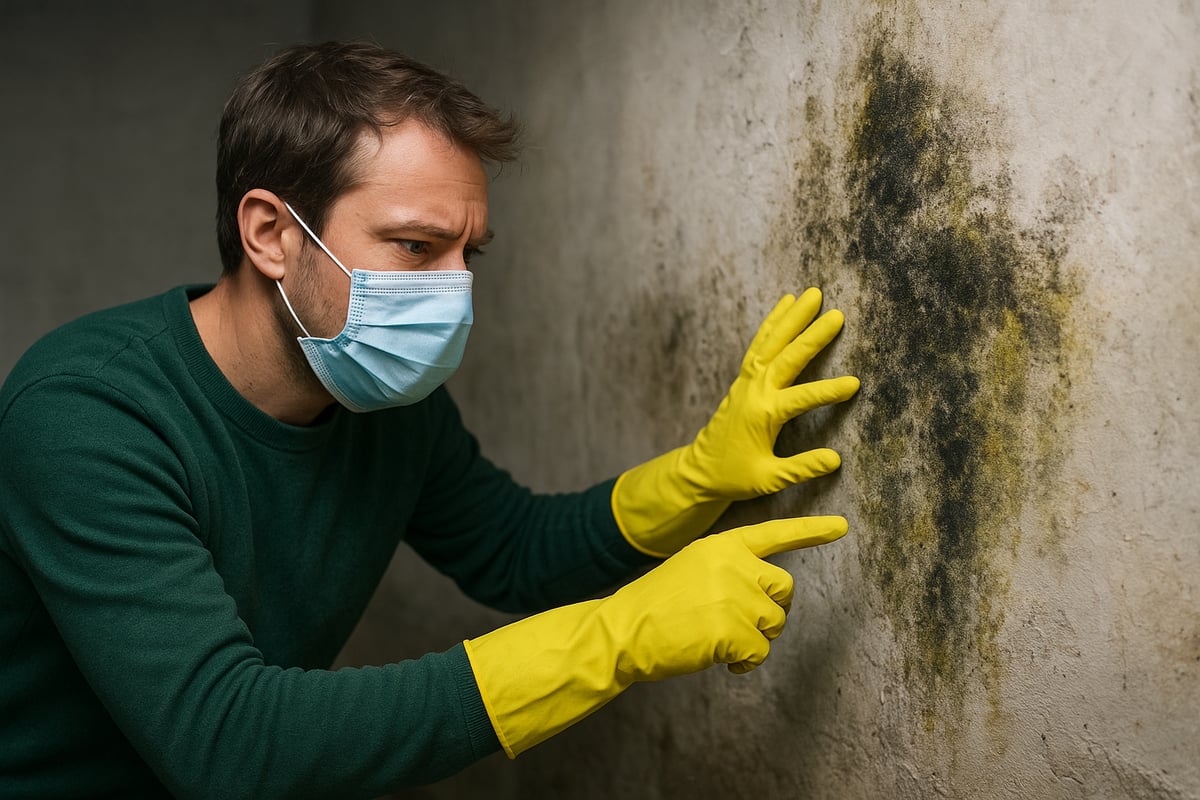
Mold is a type of fungus that thrives in damp environments and reproduces by releasing microscopic spores into the air. In buildings, the most common types include Stachybotrys chartarum (often called black mold), Aspergillus, and Penicillium. These molds can grow on a wide range of surfaces, from drywall and wood to carpeting.
Mildew, often confused with mold, is typically lighter in color and stays on surface levels, while mold tends to penetrate deeper into materials. Mold spores are incredibly resilient, spreading easily through air currents and settling wherever moisture is present. This ability to spread is what makes mold damage remediation so critical in affected properties.
Health and Structural Risks of Mold
Exposure to mold can lead to a variety of health issues, particularly for individuals with allergies, asthma, or weakened immune systems. Short-term symptoms can include sneezing, coughing, and skin irritation, while long-term exposure may result in respiratory problems or even the effects of mycotoxins.
Children, the elderly, and immunocompromised individuals are especially vulnerable to these health complications. Structurally, mold weakens wood, deteriorates drywall, and compromises insulation, creating costly damage over time. According to EPA and CDC data, mold-related health incidents have risen significantly, making mold damage remediation a top priority for property owners.
Common Causes of Mold Growth
Mold develops wherever excess moisture persists. Water intrusion from leaks, floods, or burst pipes is the leading cause, often followed by high humidity and poor ventilation. Condensation on windows and walls also creates ideal conditions for mold growth.
A real-world example is the 2025 Pittsburgh flooding, which triggered widespread mold outbreaks in both residential and commercial properties. Addressing water problems quickly is essential. For more information on addressing those issues, visit water damage restoration, which can be a crucial partner in mold damage prevention.
How to Identify Mold in Your Property
Spotting mold early is vital. Look for visible signs such as discoloration, fuzzy patches, or staining on walls, ceilings, and floors. A persistent musty odor is another red flag, especially if accompanied by unexplained health symptoms among occupants.
Homeowners can use DIY mold testing kits, but professional inspections are more thorough and reliable. According to a 2024 HomeAdvisor report, over 70% of U.S. homes experience mold at some point, highlighting the widespread need for timely mold damage remediation.
Mold Hotspots in Homes and Businesses
Certain areas are especially prone to mold infestations. In homes, basements, bathrooms, kitchens, and HVAC systems top the list. For businesses, schools, offices, and warehouses are at risk, especially after severe weather events.
A notable case involved several Pittsburgh commercial buildings that faced significant mold problems following the storms of 2025. Identifying these hotspots and acting quickly with mold damage remediation can help protect property value, occupant health, and long-term investments.
The Mold Remediation Process: Step-by-Step Guide for 2026
Facing mold in your property can be overwhelming, but understanding the mold damage remediation process empowers you to act quickly and effectively. In 2026, new technologies and updated protocols have improved the safety and success of every remediation project. Let’s walk through each step in detail, so you know exactly what to expect.
Step 1: Initial Assessment and Testing
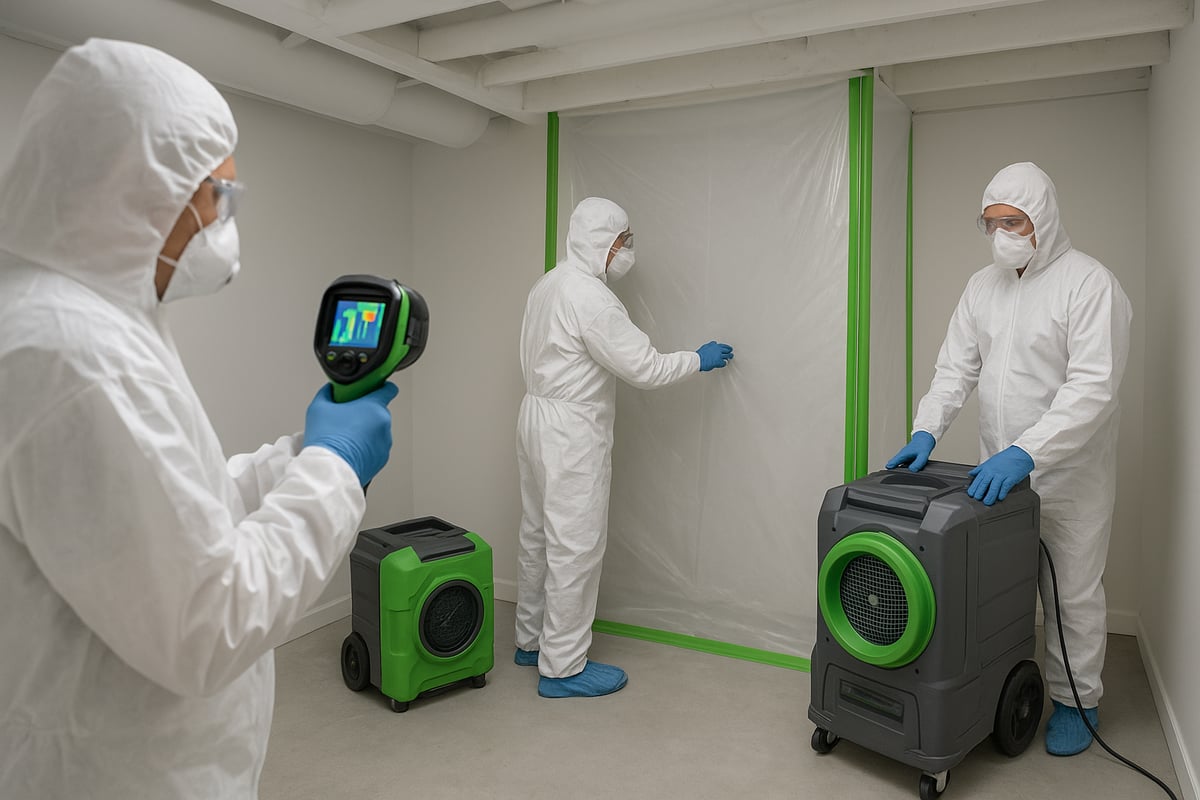
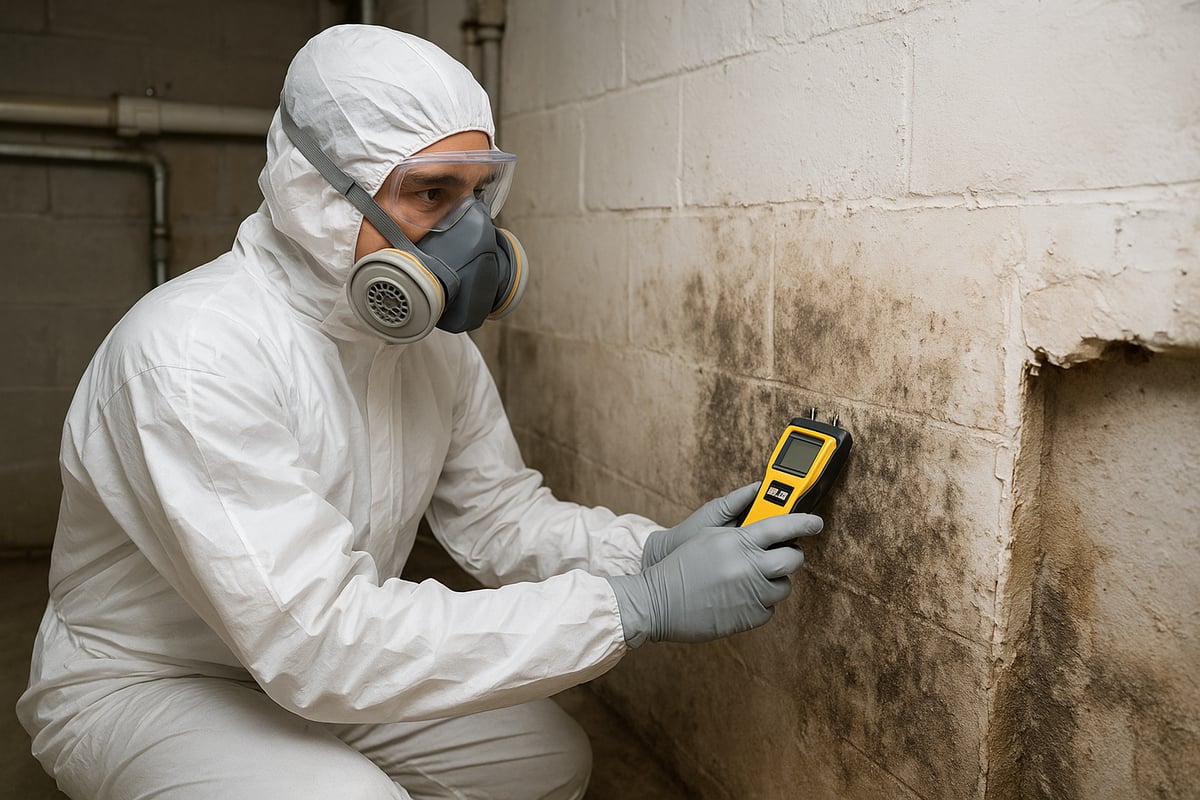
The first phase of mold damage remediation is a thorough assessment. Professionals start by visually inspecting all affected areas and mapping moisture using specialized tools. Infrared cameras detect hidden moisture behind walls, while hygrometers measure humidity levels.
Air sampling and surface tests help identify the specific mold species present. Choosing between a professional assessment and a DIY approach is crucial. While DIY kits can provide preliminary results, they often miss concealed mold or underestimate the extent of damage.
For example, after heavy water damage in Pittsburgh, a professional inspection uncovered mold in wall cavities that a homeowner’s test missed. Early, accurate detection sets the foundation for successful mold damage remediation and ensures that no area is overlooked.
Step 2: Containment and Safety Protocols
Once assessment confirms contamination, containment becomes the priority. Mold spores easily travel through air, so professionals set up physical barriers using plastic sheeting and establish negative air pressure zones with HEPA-filtered machines.
Personal protective equipment is mandatory for all workers, including respirators, gloves, and disposable suits. Enhanced containment standards, based on the 2026 IICRC S520 revisions, require stricter protocols for occupied spaces to prevent cross-contamination.
For homes and businesses, this step is essential to keep unaffected areas safe during mold damage remediation. Whether in a single room or a large commercial property, containment safeguards both occupants and workers throughout the process.
Step 3: Mold Removal and Cleanup Techniques
After safety is ensured, the next step is the physical removal of mold. Crews use HEPA vacuums, scrubbing tools, and carefully dispose of contaminated materials like drywall and carpeting. EPA-approved biocides and green cleaning agents are applied to kill residual spores.
Innovative techniques such as dry ice blasting and antimicrobial fogging are increasingly popular in 2026 for deep cleaning and sanitization. In a recent residential kitchen case, combining physical removal with safe chemical treatment led to a complete resolution.
According to the 2025 Mold Remediation Report, 85 percent of successful mold damage remediation projects involve both removal and chemical treatment. For a detailed look at advanced methods used by industry leaders, see Professional mold remediation services.
Step 4: Drying and Dehumidification
Even after visible mold is gone, moisture control is critical. Industrial-grade dehumidifiers and air movers run continuously to dry affected areas. Specialists monitor moisture levels using digital sensors to confirm everything is thoroughly dried before repairs begin.
This step in mold damage remediation prevents regrowth by keeping humidity below the ideal 50 percent threshold. For instance, after a flooded basement, complete drying can take several days, depending on the volume of water and building materials involved.
Monitoring does not stop after cleanup. Ongoing checks catch any lingering dampness, protecting your property from future outbreaks.
Step 5: Repairs and Restoration
Once drying is verified, damaged materials are replaced. This includes new drywall, insulation, flooring, and sometimes structural repairs. During this phase of mold damage remediation, experts also address vulnerabilities that contributed to the initial outbreak, such as sealing foundation cracks or upgrading ventilation.
Coordinating with your insurance provider can help cover the cost of necessary repairs. In one Pittsburgh business, prompt restoration after major mold damage remediation allowed operations to resume quickly, minimizing lost revenue.
Choosing quality materials and professional installation ensures the problem does not return.
Step 6: Post-Remediation Verification and Clearance
Before declaring the property safe, a final inspection is performed. Air quality tests and visual checks confirm that no mold remains and that the environment meets health and safety standards.
Certified professionals issue clearance certificates, which are increasingly important for property resale or re-occupancy. According to Realtor.com, homes with official clearance after mold damage remediation sell 20 percent faster.
Strict adherence to verification protocols protects both current and future occupants, providing peace of mind that the remediation was successful.
Step 7: Documentation and Insurance Claims
Thorough documentation is vital throughout the entire mold damage remediation process. Keep detailed records: before-and-after photos, inspection reports, and written remediation plans.
Proper documentation streamlines insurance claims, making it easier to work with adjusters and maximize coverage. For example, after the 2025 Pittsburgh flood, property owners who maintained organized records reported faster, more favorable claim resolutions.
Completing this step not only supports financial recovery but also provides a valuable reference for future maintenance and prevention.
Prevention Strategies: Keeping Mold Away in 2026
Preventing mold is always easier and less costly than dealing with a full-scale mold damage remediation project. In 2026, proactive strategies are more important than ever, as changing weather patterns and aging properties increase mold risks nationwide. With the following steps, you can protect your property, your health, and your investment.
Moisture Control and Ventilation Improvements
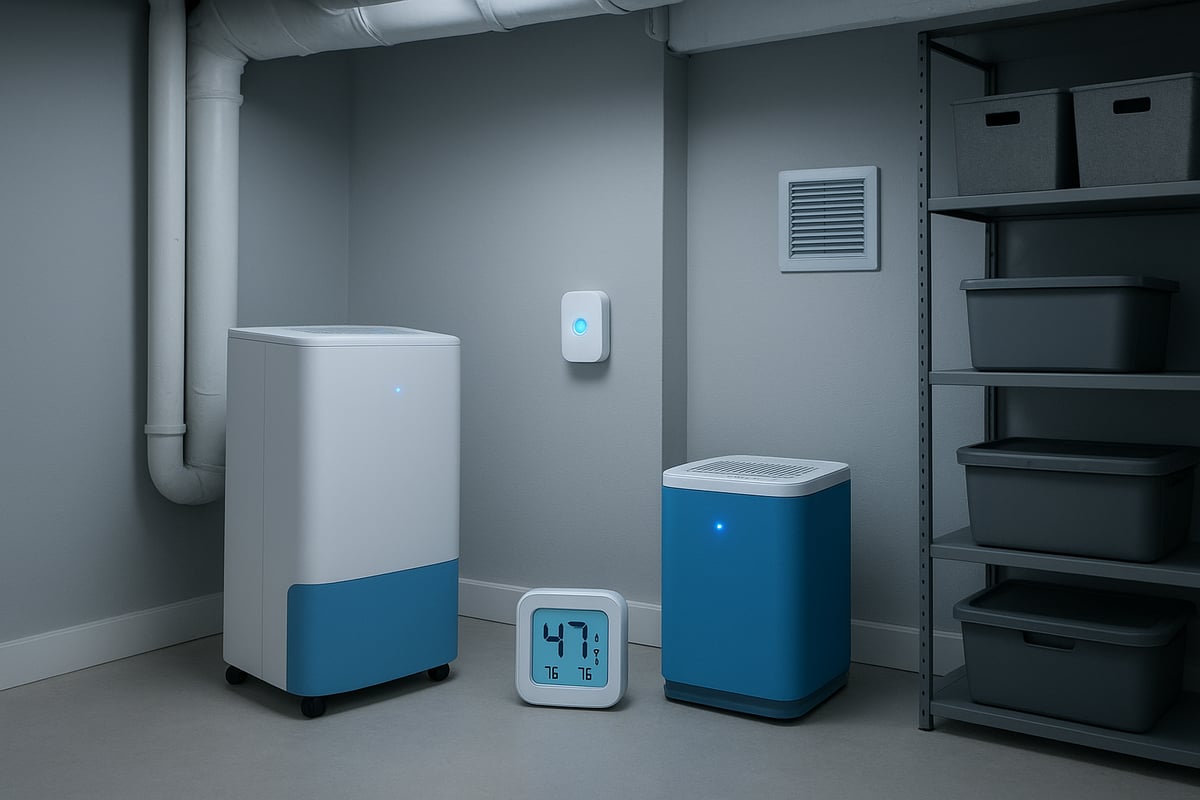
Effective moisture control is the cornerstone of mold damage remediation and prevention. Start by installing and maintaining dehumidifiers in areas prone to dampness, such as basements or laundry rooms. Exhaust fans in bathrooms and kitchens help remove excess moisture from daily activities.
Upgrading your HVAC system to regulate indoor humidity can make a significant difference. Aim to keep humidity between 30% and 50%. Smart home technologies now offer real-time alerts on moisture levels, allowing you to take action before mold takes hold. These steps create an environment where mold cannot thrive.
Building Materials and Design Considerations
Selecting the right building materials is a key part of any mold damage remediation plan. Choose mold-resistant drywall, specialized paints, and closed-cell foam insulation for areas at risk. These materials are engineered to withstand damp conditions and inhibit fungal growth.
Proper property design matters as well. Ensure your home or business has adequate drainage, sloped landscaping, and quality waterproofing barriers. Retrofitting older properties with modern materials and drainage solutions can lower mold risk by up to 40%, according to the National Association of Home Builders. Smart choices now save costly repairs later.
Routine Maintenance and Inspections
Regular maintenance is essential for successful mold damage remediation and long-term prevention. Schedule annual inspections of your roof, plumbing, and HVAC systems to catch leaks or weaknesses early. Clean gutters and downspouts to prevent water from pooling near your foundation.
Create a maintenance checklist for your property. For commercial buildings, assign responsibilities to staff and document inspection dates. Routine professional mold inspections are a wise investment, especially in older or high-risk structures. Consistent oversight keeps small issues from becoming major mold problems.
Responding Quickly to Water Intrusion
A fast response to any water intrusion event is critical for effective mold damage remediation. Whether it is a plumbing leak, roof breach, or flooding from a storm, immediate action can prevent spores from establishing colonies.
Dry wet materials and spaces within 24 to 48 hours. Use fans, wet vacuums, and dehumidifiers to accelerate the drying process. Develop an emergency preparedness plan that outlines who to call and what steps to take. In Pittsburgh, properties that responded quickly to water intrusion after the 2025 storm saw significantly less mold damage.
Education and Awareness for Occupants
Education is a powerful tool in mold damage remediation and prevention. Train occupants or staff on best practices, such as promptly reporting leaks and using ventilation fans. Post reminders about moisture control in common areas to reinforce good habits.
Provide access to trusted resources and regular updates on prevention techniques. According to the CDC, 60% of mold cases are linked to occupant behavior. For more in-depth guidance, review these Restoration resources and tips to empower everyone in your property with the knowledge to keep mold at bay.
Leveraging Smart Technology for Mold Prevention
The latest smart technologies are revolutionizing mold damage remediation and prevention. Install IoT-enabled sensors for leak detection and humidity monitoring throughout your property. These devices send automated alerts to your phone or maintenance team when conditions for mold growth arise.
Integrate these sensors with your smart home or building management system for a proactive approach. In 2026, Pittsburgh schools and businesses are adopting these tools to catch problems early, saving time and money. Investing in technology today ensures long-term mold prevention and peace of mind.
Choosing the Right Mold Remediation Professional
Selecting the right expert for mold damage remediation is crucial for safeguarding your property and health. With industry standards evolving and demand rising, knowing what to look for in a professional can make all the difference. This section breaks down essential qualifications, expectations, red flags, and decision factors to empower you in the hiring process.
Certifications and Industry Standards
When hiring for mold damage remediation, certifications are a non-negotiable requirement. The Institute of Inspection, Cleaning and Restoration Certification (IICRC) is the gold standard, specifically the S520 Standard for Professional Mold Remediation, updated for 2026. EPA and state licenses also ensure that companies follow strict safety and remediation protocols.
Ask potential providers about their training, insurance, and compliance with local laws. Certified professionals are more likely to use advanced technology, adhere to safety standards, and deliver reliable results. The rapid expansion of the mold remediation service market highlights the importance of choosing providers who stay current with evolving industry trends.
What to Expect from a Professional Mold Remediation Company
A reputable mold damage remediation company should begin with a detailed inspection and provide a transparent, written estimate. Professionals will outline a step-by-step remediation plan, including containment, removal, drying, and post-remediation testing.
Expect clear communication, documented timelines, and ongoing updates. Safety is paramount, so technicians must wear proper PPE and implement measures to prevent cross-contamination. Top-tier companies also offer customer support, answer questions, and guide you through the recovery process, ensuring your peace of mind throughout the project.
Evaluating Costs and Insurance Coverage
Costs for mold damage remediation can vary depending on the size of the property, severity of contamination, and materials involved. Residential projects might range from moderate fees to several thousand dollars, while commercial jobs can be significantly higher.
Key cost factors include labor, equipment, chemical treatments, and repairs. Always request a detailed breakdown of charges. Homeowners’ insurance may cover mold remediation if the damage resulted from a covered peril, such as a burst pipe or storm. The average claim amount for mold damage in 2025 was $7,500, according to the Insurance Information Institute. Work closely with your provider and insurance adjuster to maximize coverage and minimize out-of-pocket expenses.
Red Flags and Warning Signs of Unreliable Providers
Be cautious of companies offering unrealistically low quotes or refusing to provide written contracts. Lack of certifications, missing insurance, or vague business practices are serious warning signs. Check for consistent negative reviews or unresolved customer complaints.
Avoid providers who pressure you for immediate payment or cannot explain their remediation process. After the 2025 Pittsburgh flooding, homeowners reported a spike in scams and unqualified operators. Reliable mold damage remediation professionals prioritize transparency, documentation, and customer safety at every step.
DIY vs. Professional Remediation: Making the Right Choice
Some small, surface-level mold issues may be safely addressed with DIY methods. However, improper handling can lead to hidden mold, ongoing health hazards, and more costly repairs down the line. For extensive or toxic contamination, professional mold damage remediation is essential.
Professionals offer advanced tools, proven procedures, and guarantees that DIY methods cannot match. Notably, 65% of DIY remediations required follow-up professional help in 2025, according to HomeAdvisor. When in doubt, consult a certified expert to protect your investment and well-being.
Mold Remediation Laws, Regulations, and Trends for 2026
Staying informed about evolving mold damage remediation laws and trends is crucial for property owners in 2026. Regulations, insurance policies, technology, and environmental pressures are all shifting how homes and businesses approach mold risks. Let’s examine the landscape shaping best practices for mold damage remediation this year.
Updates to Federal and State Mold Regulations
Federal and Pennsylvania state laws have introduced new requirements for mold damage remediation in 2026. The EPA has updated guidelines on acceptable indoor mold levels, and Pennsylvania now mandates licensing for all remediation professionals. Companies must maintain detailed records and report large-scale outbreaks. Pittsburgh’s new ordinance requires rental properties to undergo annual mold inspections and remediation if issues are found. These changes mean property owners must verify that any mold damage remediation follows the latest legal standards to avoid fines and ensure occupant safety.
Insurance Industry Changes and Coverage Trends
Insurance policies for mold damage remediation have shifted after the severe 2025 storms. Many insurers have revised their exclusions, now requiring proof of routine maintenance and prompt reporting of water damage. New policy riders offer expanded mold coverage, but at higher premiums. Claims for mold damage remediation have risen sharply, with adjusters scrutinizing documentation more closely. Property owners must understand their policy details and keep thorough records to improve their chances of successful claims in 2026.
Innovations in Mold Detection and Remediation Technology
Modern technology is transforming mold damage remediation, making detection faster and more accurate. AI-powered tools now analyze air samples and surface images, pinpointing hidden colonies that traditional methods might miss. Foundation models for mold colony detection, as discussed in Assessing Foundation Models for Mold Colony Detection, are helping professionals identify problem areas early. Remediation now uses safer, eco-friendly chemicals and automated humidity monitoring. These advances are streamlining mold damage remediation and improving long-term outcomes for property owners.
Climate Change, Extreme Weather, and Mold Risks
Climate change is amplifying the need for effective mold damage remediation. Increased flooding, humidity, and severe storms in Pittsburgh and across the country have caused a surge in mold outbreaks. Regional data show a 30% rise in mold remediation calls after extreme weather events. Property owners must adapt by implementing robust prevention strategies and ensuring their mold damage remediation plans are up to date. Proactive measures are critical as weather patterns continue to evolve.
The Future of Mold Remediation: Industry Outlook
The mold damage remediation industry is poised for continued growth through 2030, fueled by regulatory updates, rising insurance claims, and technological innovation. Market reports, such as the Mold Remediation Service Market Size & Share Report, predict increasing demand for certified professionals and comprehensive services. Public education and smart prevention tools will play a larger role. Staying ahead of these trends helps property owners protect both health and property value.
After learning about the risks of mold, the latest remediation methods, and the importance of acting quickly, you might be wondering what your next step should be. If you suspect mold in your home or business, it’s essential to get a professional assessment so you can make informed decisions and protect your property and health. Independent Restoration Services of Pittsburgh offers expert guidance, clear communication, and 24/7 support to help you navigate every stage of remediation. Take the first step toward a safer, healthier environment - Get A Free Damage Assessment today.